

If you've ever tried to run a solo business or a tiny team using spreadsheets, WhatsApp, and half a dozen random tools, you know the pain: your CRM is a mess, your follow-ups slip, and you're constantly switching tabs just to figure out who owes you money.
Over the years, I've tested pretty much every CRM under the sun: from heavy enterprise platforms to lightweight open source options I could self-host on my own VPS.
This listicle is my honest, no-BS take on the best open source CRMs you can actually use without burning cash or sanity. I've filtered for tools that are:
- genuinely open source (not "open core" traps)
- realistic for solopreneurs and small teams to deploy
- flexible enough to adapt as your product and process evolve
And yes, I'll also show you where something like Solopreneur OS fits into this picture — especially if you'd rather have a single workspace for clients, invoices, tasks, bookings, and your public profile instead of stitching five tools together.
If you're tired of over-engineered CRMs and want options that respect your budget, your data, and your time, you're in the right place.
Let's dive in.
Twenty
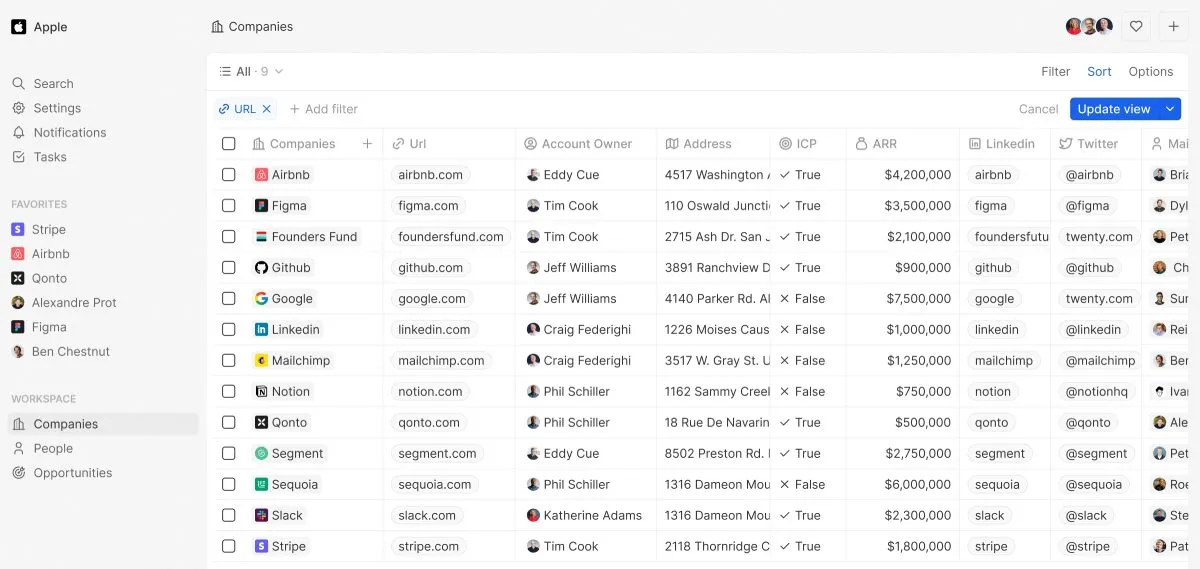
Best for: Modern, dev-first teams who want a clean, Salesforce-like experience they can extend.
Why I recommend it: Twenty nails the core CRM (contacts, companies, deals, workflows) with a very polished UI and strong developer experience (GraphQL/REST, webhooks, Docker setup).
It’s great if you’re comfortable with TypeScript/Nest.js and want something that feels out of the box. The AGPL license is a trade-off, but for internal tools or fully open projects, it’s solid.
Atomic CRM
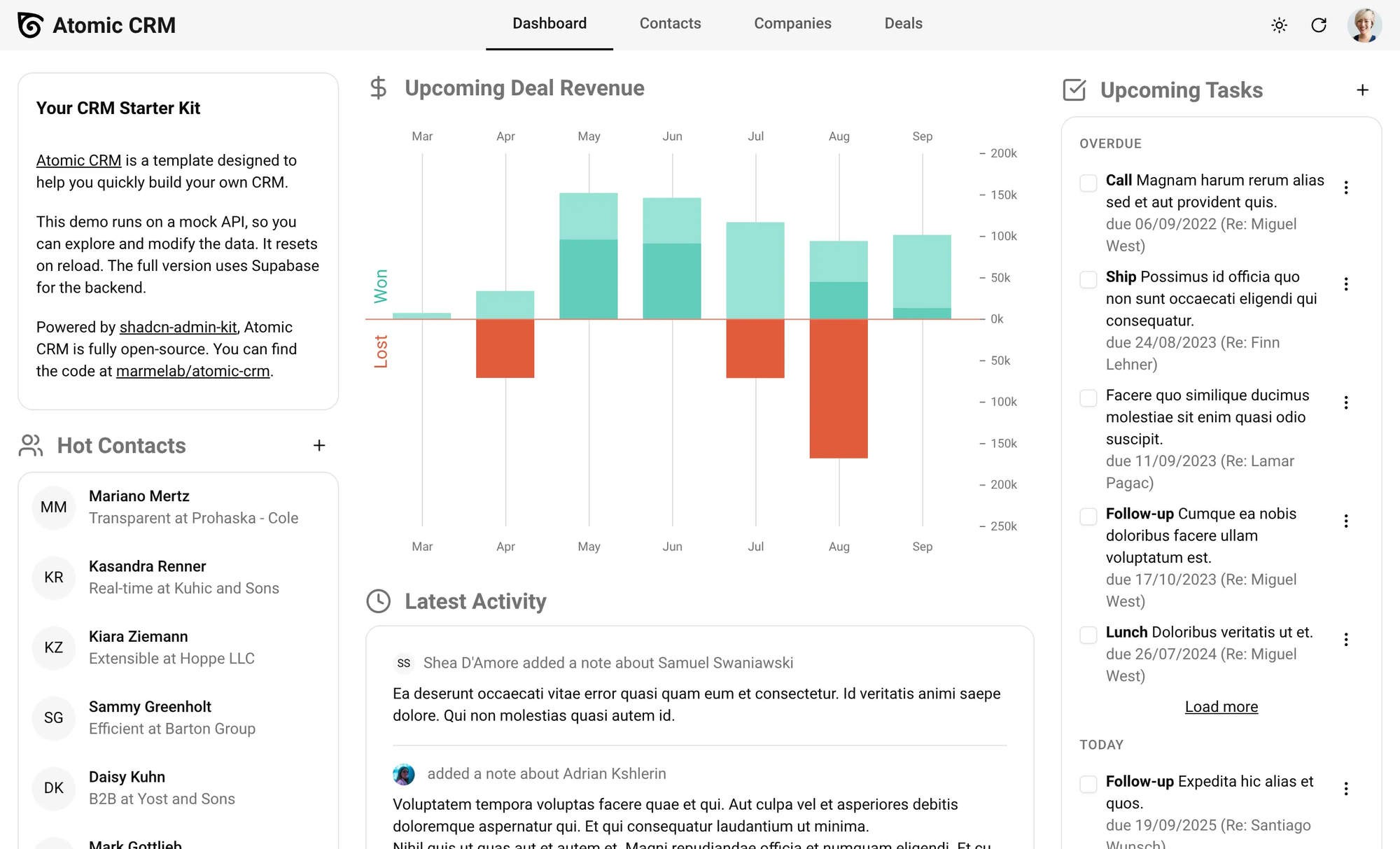
Best for: Developers who want a minimal, flexible CRM template to build on top of.
Why I recommend it: Atomic is tiny (around 15k LOC), MIT-licensed, and built on React + Supabase, so you can host it easily and customize without fighting a huge codebase.
It’s perfect if you want a clean starting point for your own CRM rather than a mega-suite you’ll never fully use.
Krayin
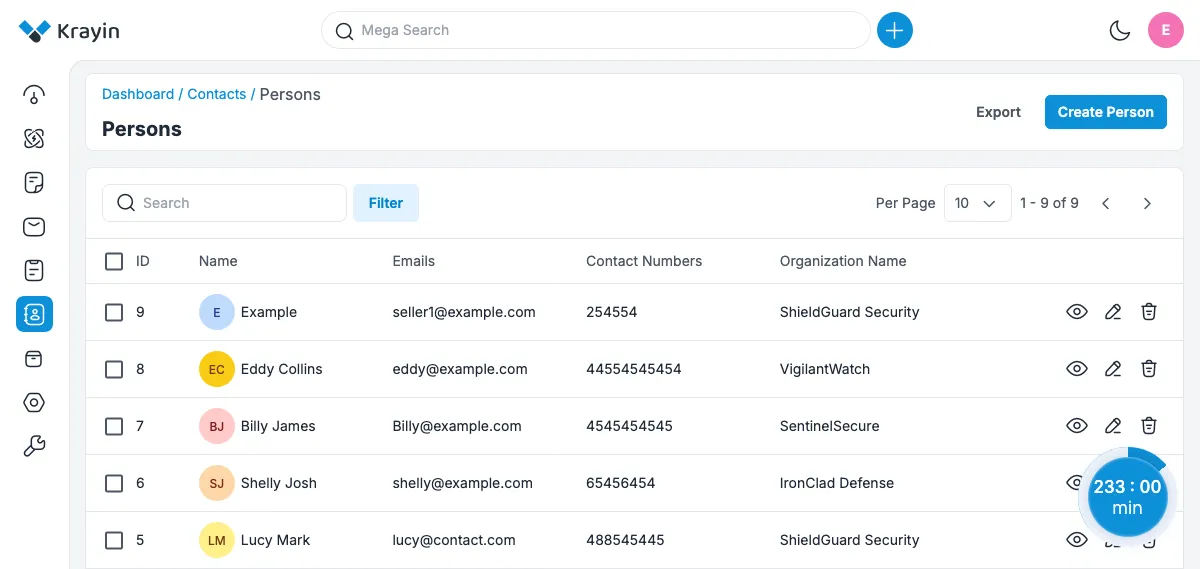
Best for: PHP/Laravel teams who want marketing automation and a familiar stack.
Why I recommend it: If you live in Laravel, Krayin feels natural: PHP 8 + Vue, REST API, and decent docs.
It has marketing automation, roles/permissions, and paid multi-tenant extensions. UX can feel clunky, but for Laravel shops, it’s one of the most “yours” CRMs you can get.
EspoCRM
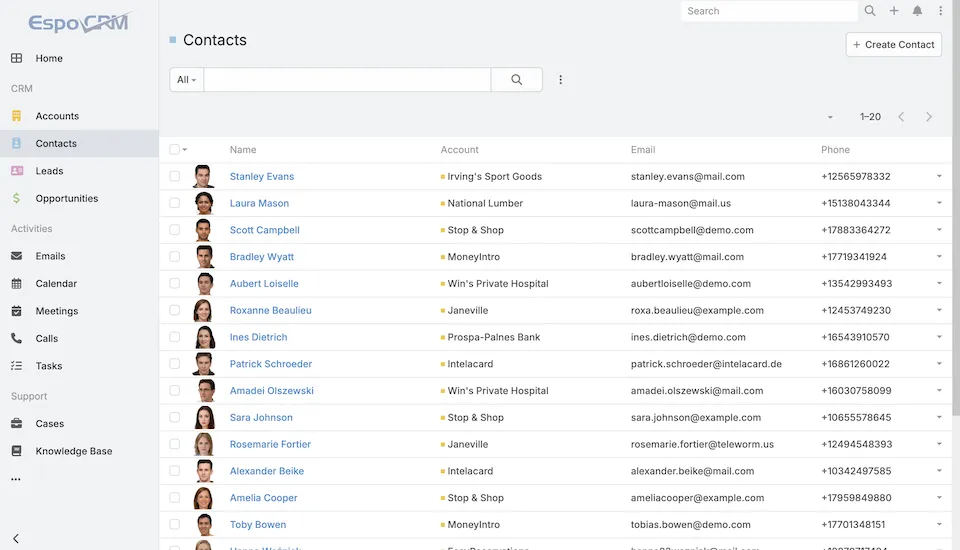
Best for: Small teams that want a full-featured, self-hosted CRM with a clean UI.
Why I recommend it: EspoCRM is mature, fast to set up, and has a very complete feature set (entities, workflows, email sync, dashboards). The admin UI lets you customize a lot without code.
The AGPL license and custom backend framework mean deep code changes are harder, but for config-heavy customization, it’s great.
OroCommerce
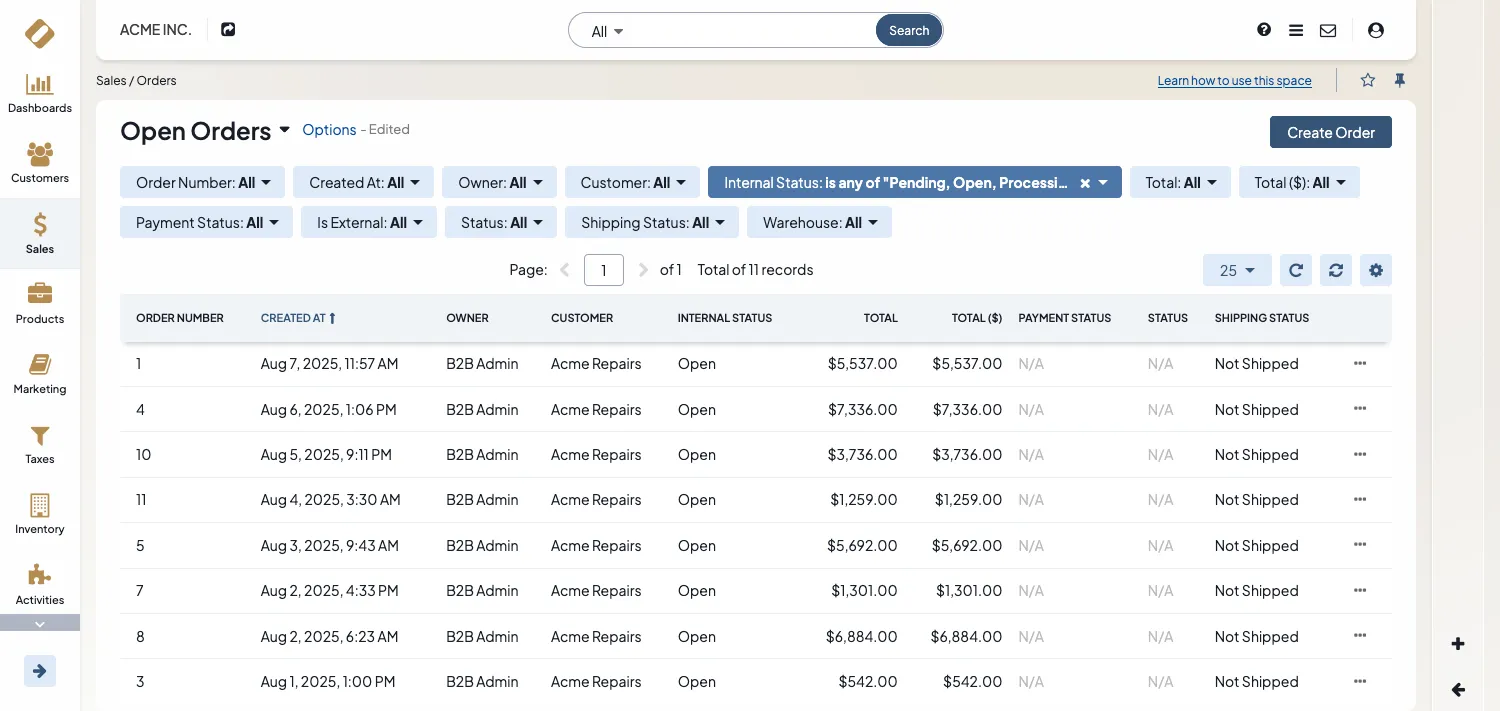
Best for: B2B commerce teams that need CRM tightly integrated with complex catalogs, pricing, and workflows.
Why I recommend it: Oro is more of a B2B eCommerce platform with a CRM layer, built on Symfony with strong process automation and integrations.
If your “CRM” is really about managing complex B2B relationships and orders, Oro is powerful. For simple contact/deal tracking, it’s overkill.
SuiteCRM
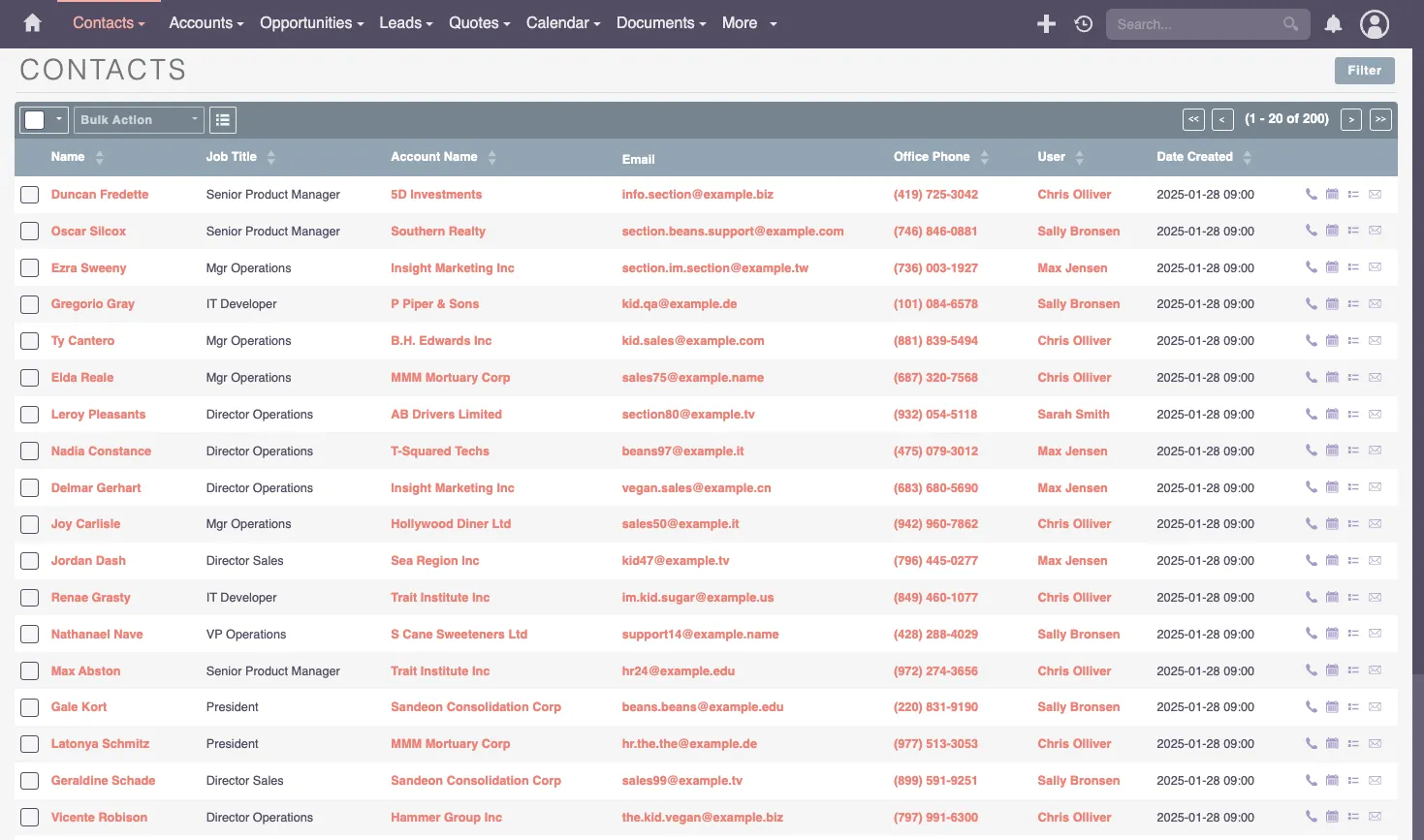
Best for: Teams that want a battle-tested, Salesforce-like open source CRM.
Why I recommend it: SuiteCRM is the spiritual successor to SugarCRM’s open source days: huge feature set, active community, and tons of extensions.
It’s ideal if you need something enterprise-grade and don’t mind an older codebase and UI. Great for agencies and mid-market teams comfortable with PHP.
Odoo (CRM module)
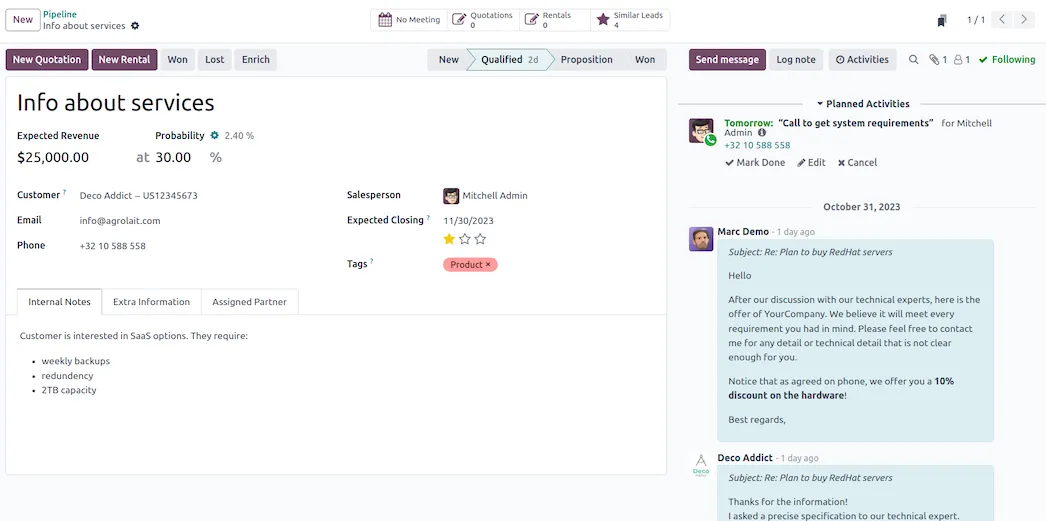
Best for: Companies that want CRM as part of a full ERP (finance, inventory, HR, website, etc.).
Why I recommend it: Odoo is a beast: CRM plus accounting, POS, eCommerce, HR, and more in one modular system.
If you’re building a real “operating system” for your business and have the bandwidth to learn Odoo’s ecosystem, it’s incredibly powerful. For pure CRM, it’s heavy and opinionated.
ERPNext
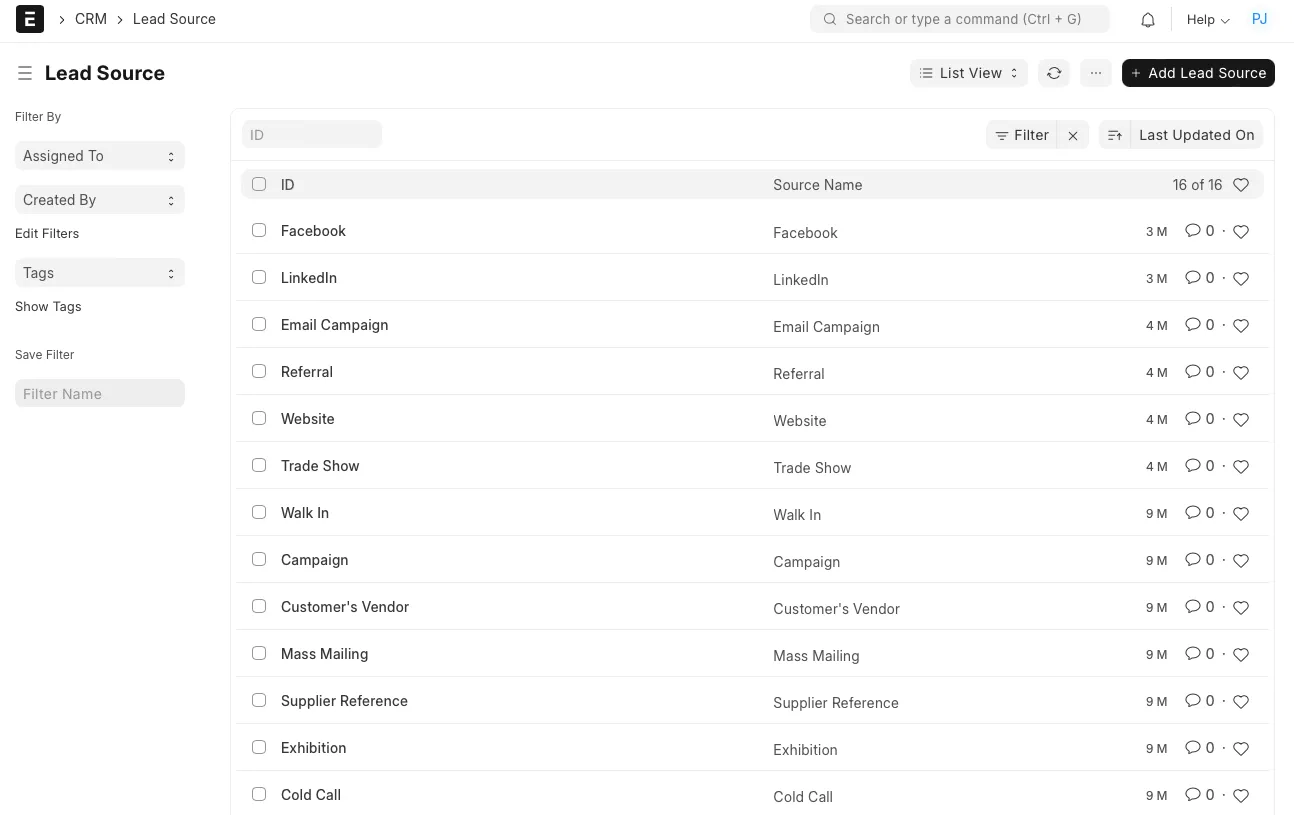
Best for: Startups and SMBs that want an all-in-one ERP with a decent CRM module.
Why I recommend it: ERPNext (on the Frappe framework) gives you CRM plus accounting, inventory, projects, and HR in one stack.
It’s fantastic if you want a unified system and are okay with a steeper learning curve. As a standalone CRM, it feels rigid and complex, but as a business OS, it’s hard to beat.
Axelor
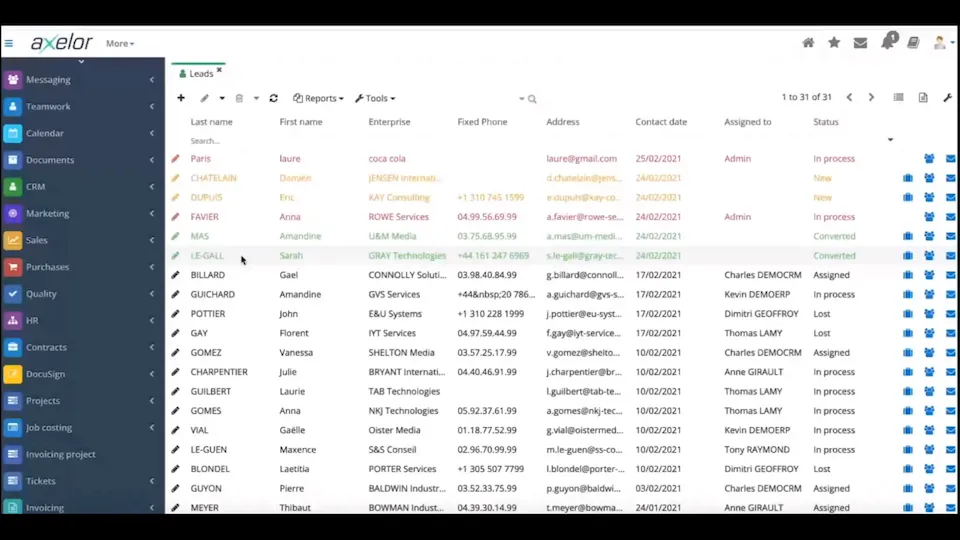
Best for: Teams that want a low-code BPM/ERP platform with CRM capabilities.
Why I recommend it: Axelor is a Java-based low-code suite with CRM, ERP, and BPM features. It’s more “configure than code” and better suited to companies ready to invest in the enterprise version.
For tinkerers who love Java and big platforms, it’s interesting; for lean solopreneurs, it’s usually too heavy.
Vtiger (open source / source-available variants)
Best for: Teams that want a classic, feature-rich CRM with strong sales and support modules.
Why I recommend it: Vtiger has been around forever and packs sales, support, inventory, and project features.
The licensing and “source available” nuances can be confusing, but if you need a traditional CRM with lots of built-in features and don’t mind an older stack, it’s worth considering.
Dolibarr
Best for: Small businesses and associations that want a simple ERP/CRM combo.
Why I recommend it: Dolibarr is a PHP-based ERP/CRM aimed at SMBs and nonprofits, with modules for invoices, projects, stock, and more.
It’s not the slickest UI, but it’s straightforward, self-hostable, and good for teams that want “good enough” CRM inside a light ERP.
CiviCRM
Best for: Nonprofits, associations, and advocacy groups.
Why I recommend it: CiviCRM is purpose-built for membership organizations, campaigns, donations, and events.
If you’re running a nonprofit or community org, its data model (memberships, contributions, activities) fits far better than generic CRMs. For commercial sales pipelines, it’s not the right fit.
Mautic (as a CRM-adjacent tool)
Best for: Marketing teams that want open source automation with light CRM-like contact management.
Why I recommend it: Mautic is primarily a marketing automation platform, but it tracks contacts, campaigns, and behaviors in a CRM-like way.
Pair it with a lightweight CRM (or your own system) and you get powerful nurturing workflows without paying per-seat for HubSpot/Marketo.
Monica / DenchClaw-style personal CRMs
Best for: Individuals who want a “relationship OS” rather than a sales CRM.
Why I recommend it: Tools like Monica and similar personal CRMs focus on tracking relationships, notes, and interactions instead of deals and pipelines.
They’re great for founders, creators, and network-heavy roles where “CRM” means “don’t forget to follow up with humans,” not “manage a sales funnel.”
Solopreneur OS
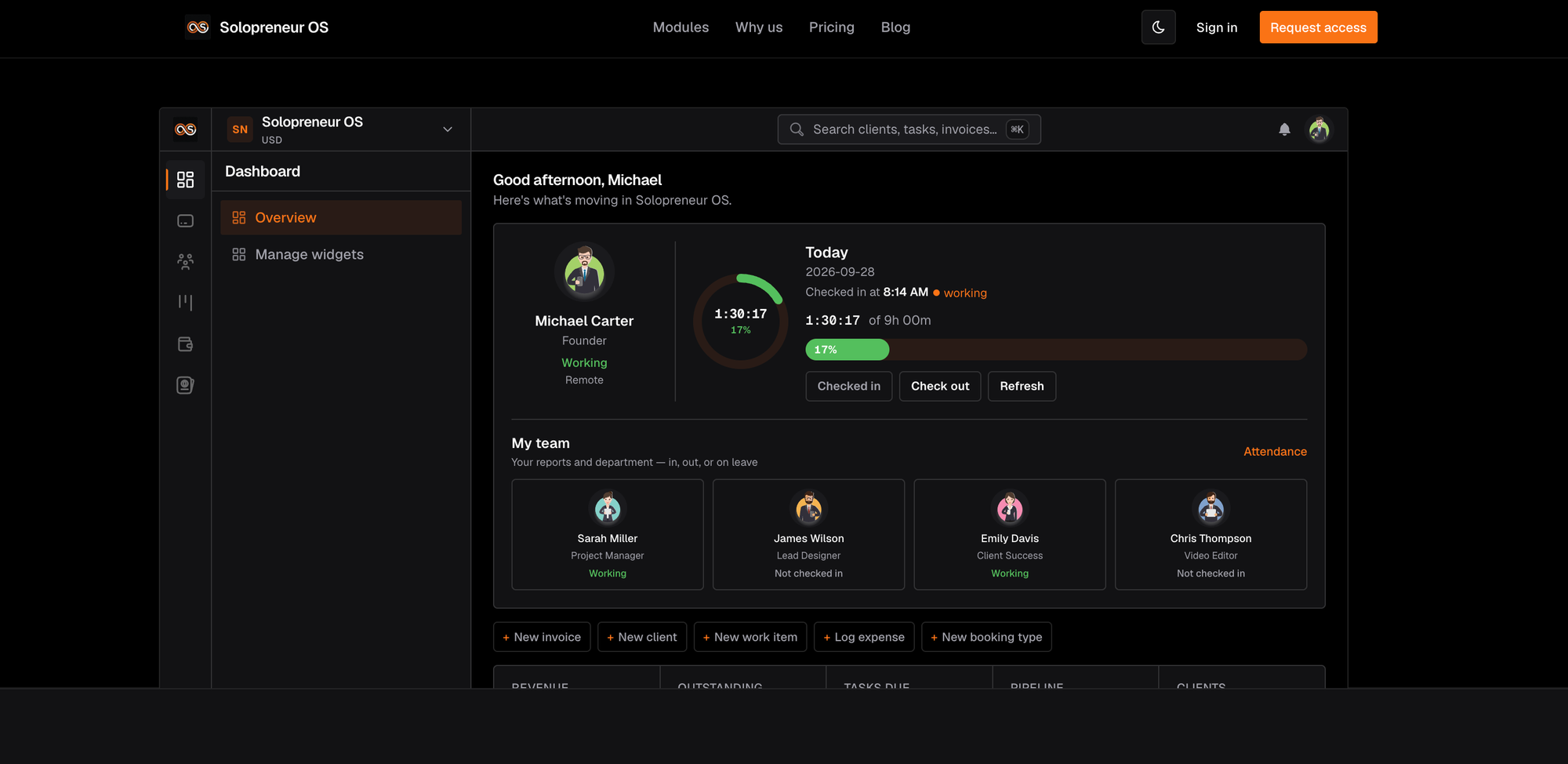
Best for: Freelancers, creators, and tiny teams who want one workspace for clients, invoices, tasks, bookings, and their public profile.
Why I recommend it: This is the one I’m building because I got tired of stitching together a CRM, billing tool, task manager, and scheduling system. Solopreneur OS is free to use for 3 months and gives you:
- A simple CRM for clients and leads
- Estimates, invoices, and recurring billing
- Tasks, bookings, team ops, gear, and finance in one shell
- A public profile you can share with prospects
It’s not trying to be a full-blown ERP or a Salesforce clone; it’s trying to be the minimum lovable OS for one-person businesses and very small teams.
If your “CRM” problem is really “I’m drowning in tabs and losing track of who I’m working with and what they owe me,” this is the kind of tool I wish I had five years ago.
Spotted something outdated or wrong?
Report an issue
We hate ads too. Sign up free to remove them








Comments